
Season Extension: Growing Food Year-Round
Learn techniques to extend your growing season and harvest fresh produce even in winter using cold frames, row covers, and season planning.
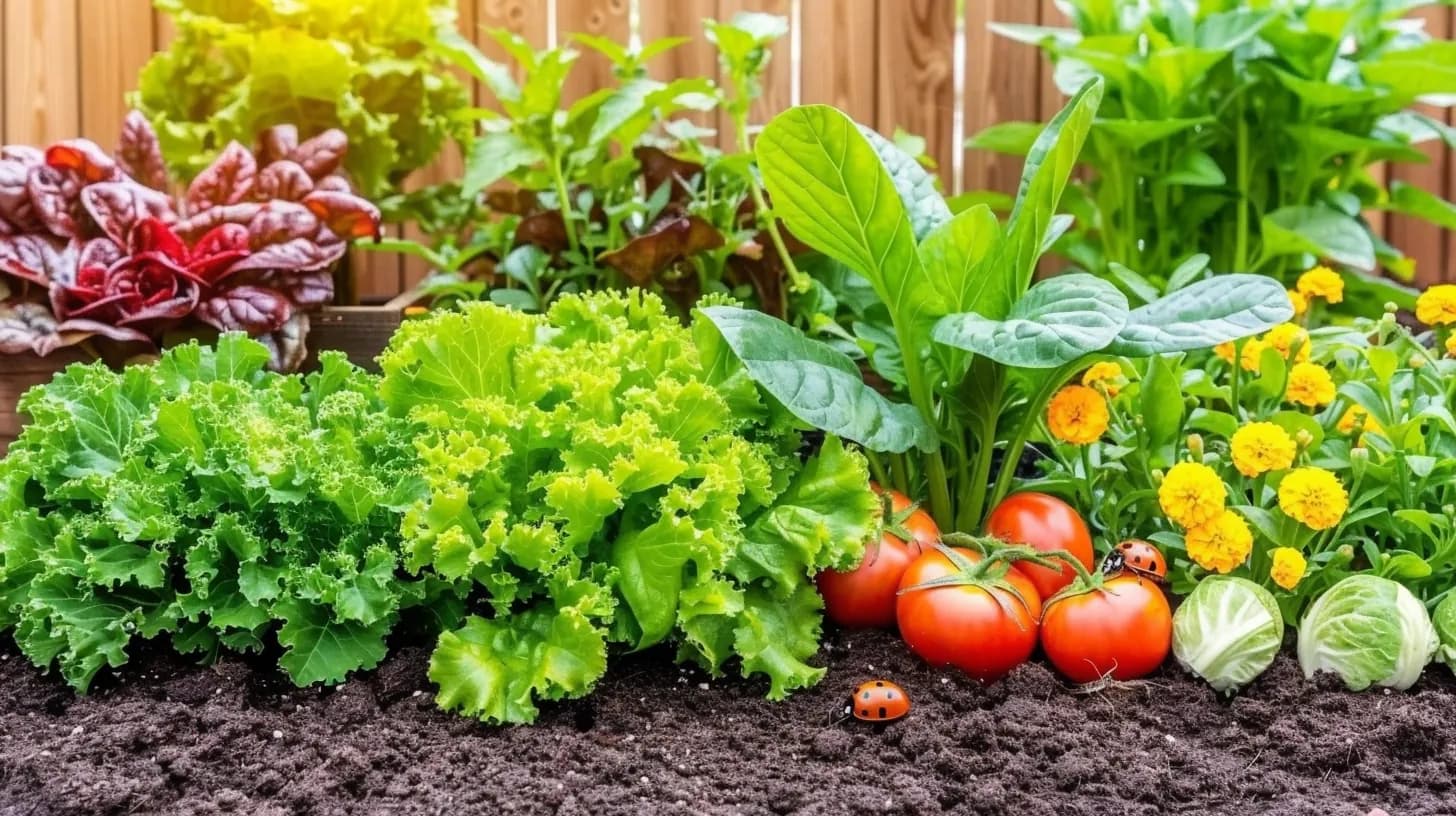
Extending your growing season means fresh vegetables for more months of the year and greater return on your gardening investment. With the right techniques and planning, you can harvest homegrown food even in winter.
Understanding Your Growing Seasons
Learn your area's first and last frost dates, but remember these are averages. Keep detailed records of actual frost dates in your microclimate, as they can vary significantly from regional averages.
Cool-Season Crops for Fall and Winter
Many vegetables actually prefer cool weather and become sweeter after light frosts:
- Kale and collards: Hardy to 10°F with protection
- Brussels sprouts: Flavor improves after frost
- Carrots and parsnips: Can overwinter in ground in many climates
- Spinach: Extremely cold-hardy, grows slowly but steadily in winter
- Leeks: Harvest all winter in mild climates
Season Extension Techniques
Cold Frames Build simple cold frames using old windows or clear polycarbonate panels. Position them facing south for maximum sun exposure. Vent on warm days to prevent overheating.
Row Covers Lightweight floating row covers can add 4-6°F of frost protection while allowing light and water through. Use heavier covers for more protection, removing them on warm days.
Hoop Houses and Low Tunnels Create mini-greenhouses using PVC hoops covered with plastic or row cover material. These can extend the season by 4-8 weeks on both ends.
Mulching for Winter Protection Apply thick mulch (6-8 inches) around hardy perennials and over root crops left in the ground. Straw, leaves, or pine needles work well.
Succession Planting Strategy
Summer Planning for Fall Harvest Count backward from your first expected frost date to determine when to plant fall crops. Most need 60-90 days to mature, so plant in late summer.
Continuous Harvests Plant small amounts of quick-growing crops like lettuce, radishes, and cilantro every 2-3 weeks throughout the growing season.
Indoor Growing Options
Windowsill Gardens Grow herbs, microgreens, and small vegetables on sunny windowsills. Rotate containers weekly for even growth.
Grow Lights LED grow lights make indoor vegetable production possible year-round. Focus on high-value crops like herbs, lettuce, and cherry tomatoes.
Storage Crops for Winter
Root Vegetables Carrots, beets, turnips, and radishes can be stored in root cellars or refrigerators for months. Harvest after light frosts for best flavor.
Winter Squash and Pumpkins Properly cured winter squash can last 6-12 months in cool, dry storage. One plant can provide months of nutrition.
Preserved Foods Learn preservation techniques like canning, freezing, and dehydrating to extend the harvest from your peak growing season.
Greenhouse Growing
Unheated Greenhouses Even unheated greenhouses can extend the season significantly. They work best for cool-season crops that don't need warm temperatures.
Passive Solar Design Design greenhouses to capture and store solar energy. Use thermal mass (water barrels, concrete blocks) to moderate temperature swings.
Planning Your Extended Season
Create a planting calendar that includes:
- Spring start dates for different crops
- Summer planting dates for fall harvest
- Succession planting schedules
- Protection installation dates
Variety Selection
Choose varieties bred for your specific goals:
- Cold-hardy varieties for winter growing
- Heat-tolerant varieties for summer succession planting
- Storage varieties for long-term keeping
- Fast-maturing varieties for quick successions
Soil Management
Keep soil biology active year-round by:
- Adding compost regularly
- Planting cover crops in empty beds
- Avoiding walking on frozen soil
- Maintaining soil moisture but not waterlogging
Season extension requires more planning and attention than traditional gardening, but the rewards of fresh, homegrown food year-round make the effort worthwhile. Start with simple techniques like row covers and cold frames, then expand your season extension arsenal as you gain experience.