
Organic Pest Management: Sustainable Solutions
Develop an integrated approach to pest management using beneficial insects, organic treatments, and prevention strategies for a healthy garden ecosystem.
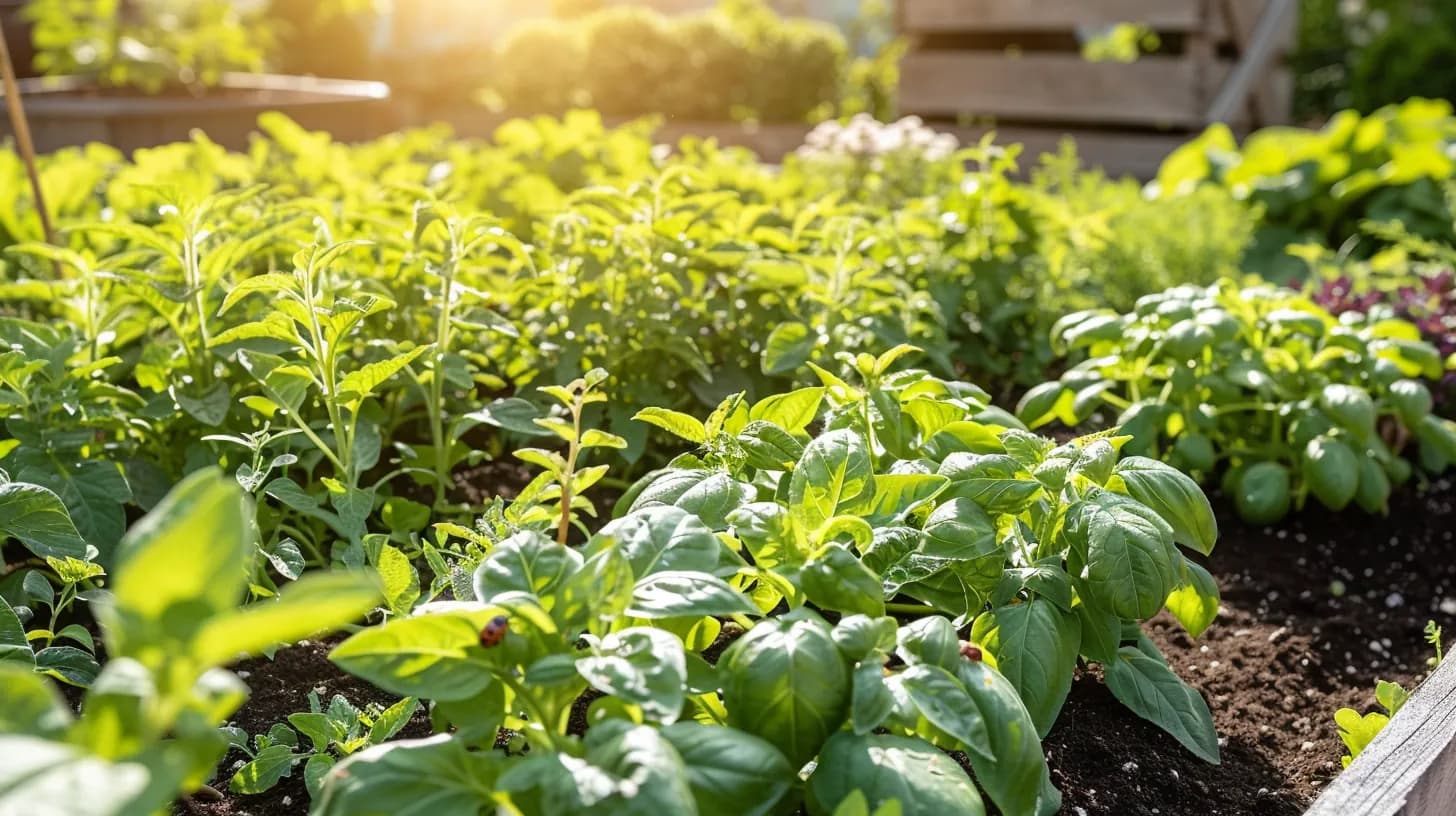
Effective pest management doesn't require harsh chemicals. By understanding pest lifecycles and encouraging natural predators, you can maintain a healthy garden ecosystem while protecting your plants.
Integrated Pest Management (IPM) Principles
IPM focuses on prevention first, then uses multiple strategies to manage pests with minimal environmental impact. The goal isn't to eliminate all pests, but to keep them below damaging levels while preserving beneficial insects.
Prevention Strategies
Healthy Soil, Healthy Plants Stressed plants attract pests. Maintain soil health with compost, proper pH, and adequate nutrition. Healthy plants have stronger natural defenses against pests and diseases.
Crop Rotation Rotate plant families annually to break pest and disease cycles. Don't plant tomatoes, peppers, or eggplants in the same location consecutive years, as they share many pests and diseases.
Timing and Varieties Plant varieties resistant to common local pests. Time plantings to avoid peak pest seasons – for example, plant squash later to avoid squash bugs, or plant radishes early before flea beetles peak.
Beneficial Insect Habitat
Include flowering plants that provide nectar and pollen for beneficial insects. Good choices include:
- Yarrow: Attracts predatory wasps and hover flies
- Fennel: Attracts beneficial wasps when flowering
- Sweet alyssum: Attracts minute pirate bugs and parasitic wasps
- Sunflowers: Attract birds that eat pest insects
Beneficial Insect Releases
Purchase beneficial insects for specific pest problems:
- Ladybugs: Eat aphids, scale, and mites
- Lacewings: Larvae eat aphids, thrips, and caterpillars
- Predatory mites: Control spider mites and thrips
- Beneficial nematodes: Control soil-dwelling pests
Organic Treatment Options
Insecticidal Soap Mix 1-2 tablespoons of pure liquid soap (not detergent) per quart of water. Effective against soft-bodied insects like aphids, whiteflies, and spider mites. Spray in early morning or evening to avoid leaf burn.
Neem Oil Derived from the neem tree, this oil disrupts insect feeding and reproduction. Effective against aphids, whiteflies, and many caterpillars. Always follow label directions and avoid spraying during flowering to protect pollinators.
Diatomaceous Earth (DE) Food-grade DE damages the exoskeletons of crawling insects. Sprinkle around plants to deter slugs, ants, and flea beetles. Reapply after rain or watering.
Bacillus thuringiensis (Bt) This naturally occurring bacteria kills caterpillars without harming beneficial insects. Different strains target different pests – Bt kurstaki for most caterpillars, Bt israelensis for mosquito larvae.
Physical Controls
Row Covers Lightweight fabric covers exclude flying pests while allowing light and water through. Remove when plants flower to allow pollination.
Copper Tape and Barriers Copper tape around containers deters slugs and snails. Create barriers using crushed eggshells, coffee grounds, or sandpaper collars around seedlings.
Hand Picking For larger pests like caterpillars, beetles, and slugs, hand picking is often the most effective control. Check plants daily and remove pests to containers of soapy water.
Monitoring and Identification
Regular Scouting Check plants weekly for early signs of pest problems. Look under leaves, check growing tips, and watch for unusual leaf damage or discoloration.
Proper Identification Correctly identify pests before treating. Many insects are beneficial, and broad-spectrum treatments can harm helpful species. Use extension service resources or apps for accurate identification.
Threshold Levels Not every pest requires treatment. Learn economic thresholds for different crops – the pest level at which damage exceeds the cost of treatment.
Seasonal Pest Management
Spring
- Install barriers and row covers early
- Release beneficial insects when temperatures warm
- Monitor for emerging overwintered pests
Summer
- Maintain beneficial insect habitat
- Water plants adequately to reduce stress
- Scout regularly for heat-loving pests
Autumn
- Clean up garden debris that harbors pests
- Apply dormant oils to fruit trees
- Encourage beneficial insects to overwinter
Record Keeping
Keep detailed records of:
- Pest problems and timing
- Treatment effectiveness
- Beneficial insect populations
- Weather conditions
This information helps you predict and prevent future problems while refining your management strategies.
Common Pest Solutions
Aphids: Insecticidal soap, ladybugs, companion planting with catnip or garlic Cutworms: Cardboard collars around seedlings, beneficial nematodes Flea beetles: Row covers, diatomaceous earth, trap crops of radishes Slugs and snails: Beer traps, copper barriers, predatory beetles Spider mites: Insecticidal soap, predatory mites, adequate soil moisture
Remember, a few pests in your garden are normal and even beneficial – they provide food for beneficial insects and birds. The goal is balance, not perfection. By working with natural systems rather than against them, you create a more resilient and sustainable garden ecosystem.