
Maximizing Small Space Gardens: Vertical Growing Techniques
Transform tiny spaces into productive gardens using vertical growing methods, container gardening, and space-efficient plant selection.
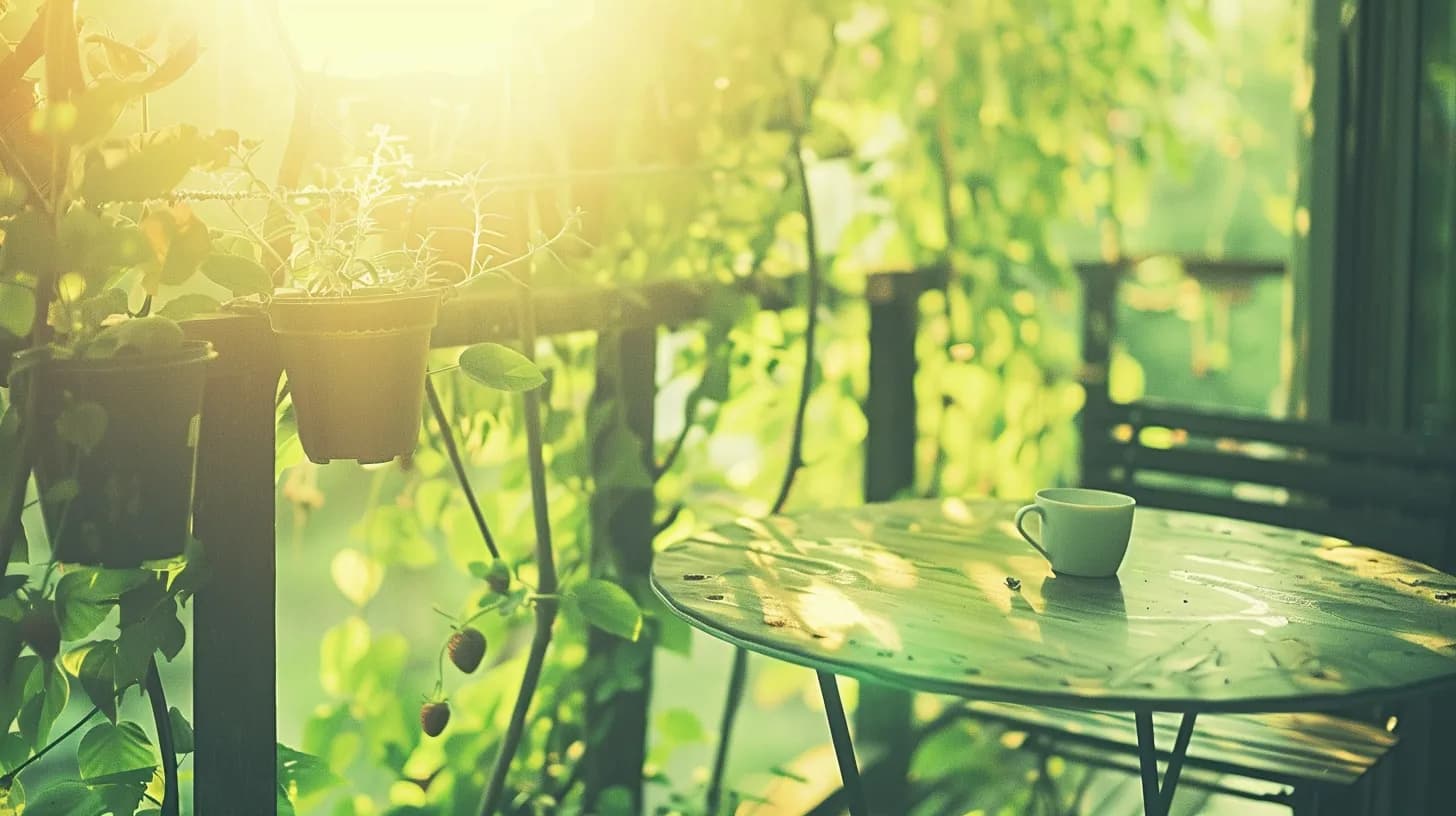
Limited space doesn't mean limited growing potential. With creative vertical techniques and smart plant selection, even the smallest balcony or patio can become a productive garden paradise.
Vertical Growing Structures
Trellises and Arbors Install sturdy trellises for climbing vegetables like peas, beans, cucumbers, and squash. A 6-foot trellis can support plants that would otherwise sprawl across 20 square feet of garden space.
Wall-Mounted Planters Utilize vertical wall space with pocket planters, hanging baskets, or wall-mounted containers. These work especially well for herbs, strawberries, and leafy greens.
Tower Gardens Create tower gardens using stacked containers or purpose-built tower systems. These can accommodate multiple plants in a 2-square-foot footprint while providing excellent drainage and root space.
Container Selection and Setup
Choose containers at least 6-8 inches deep for herbs and leafy greens, 12 inches for most vegetables, and 18+ inches for root vegetables and fruiting plants. Ensure all containers have drainage holes.
Self-Watering Systems Install drip irrigation or self-watering systems to maintain consistent moisture. Small-space gardens dry out faster than ground-level gardens, especially in containers.
Space-Efficient Plant Varieties
<strong>Compact Vegetables</strong>
- Cherry tomatoes: More productive than full-size varieties in containers
- Bush beans: Don't require trellising like pole beans
- Patio peppers: Bred specifically for container growing
- Lettuce and spinach: Quick-growing, don't need deep containers
- Herbs: High value, low space requirements
Succession Planting Plant new crops every 2-3 weeks to ensure continuous harvests. As one crop finishes, immediately replant the container with the next succession.
Interplanting Techniques Combine fast-growing crops with slower ones. Plant radishes with carrots – the radishes will be harvested before carrots need the space. Grow lettuce under tomato plants for natural shade.
Maximizing Yield
Square Foot Gardening Principles Divide growing space into 1-foot squares and plant according to each plant's space requirements. You can fit 16 carrots, 9 onions, 4 lettuce heads, or 1 tomato plant per square foot.
Microgreens and Sprouts Grow nutrient-dense microgreens and sprouts indoors year-round. They're ready to harvest in 7-14 days and require minimal space and equipment.
Seasonal Transitions Plan for seasonal changes by growing cool-season crops in spring and fall, and heat-tolerant crops in summer. Use portable containers to move plants to optimal light conditions.
Light Considerations
Most vegetables need 6-8 hours of direct sunlight. If your space receives less, focus on leafy greens and herbs that tolerate partial shade. Consider supplemental LED grow lights for indoor growing.
Maintenance Tips
Small-space gardens require more frequent attention. Check soil moisture daily, fertilize regularly (nutrients leach out of containers faster), and monitor for pests closely since problems can spread quickly in confined spaces.
Wind Protection Protect tall plants and lightweight containers from wind with windbreaks or by grouping containers together. Stake or cage top-heavy plants early in the season.
With proper planning and technique, small-space gardens can be incredibly productive. Focus on high-value crops you use frequently, and you'll be amazed at how much food you can grow in a tiny space.