
Essential Soil Preparation for Spring Planting
Learn the fundamentals of preparing your garden soil for a successful spring planting season. Discover testing, amending, and timing techniques.
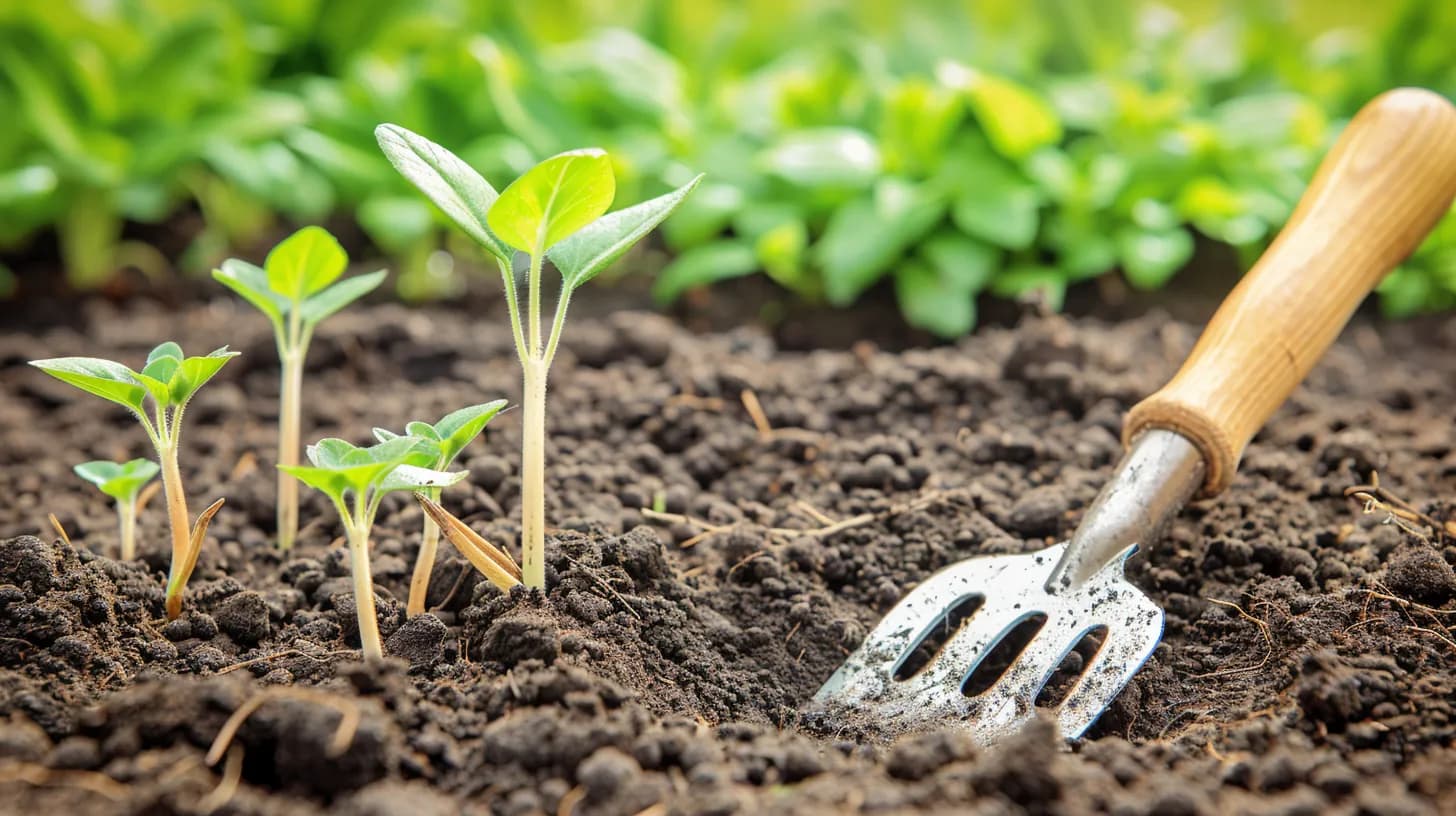
Spring is the most exciting time for gardeners, but success starts with proper soil preparation. Your garden's foundation determines everything that grows above it.
Testing Your Soil
Before you plant anything, test your soil's pH and nutrient levels. Most vegetables and flowers thrive in slightly acidic to neutral soil (pH 6.0-7.0). You can purchase inexpensive soil test kits from garden centers or send samples to your local extension office for comprehensive analysis.
Amending Your Soil
Once you know your soil's condition, it's time to improve it. Add 2-3 inches of compost or well-rotted manure to clay soils to improve drainage and to sandy soils to improve water retention. Work organic matter into the top 6-8 inches of soil using a garden fork or tiller.
Timing Is Everything
Wait until your soil is workable before digging. The squeeze test is simple: grab a handful of soil and squeeze it. If it forms a ball that doesn't crumble when poked, it's too wet. Working wet soil creates compaction that can last all season.
Essential Tools
Invest in quality tools: a garden fork for breaking up compacted soil, a rake for leveling, and a soil thermometer to monitor soil temperature. Most seeds won't germinate until soil reaches 50-60°F.
Creating Raised Beds
If your soil has drainage issues or is heavily compacted, consider raised beds. They warm up faster in spring, drain better, and give you complete control over soil quality. Fill them with a mix of topsoil, compost, and coarse sand for optimal growing conditions.
Remember, healthy soil creates healthy plants, which naturally resist pests and diseases. The time you invest in soil preparation pays dividends throughout the growing season.