
Creating a Water-Wise Garden: Drought-Tolerant Plants
Discover beautiful, low-maintenance plants that thrive with minimal water. Perfect for sustainable gardening and reducing water bills.
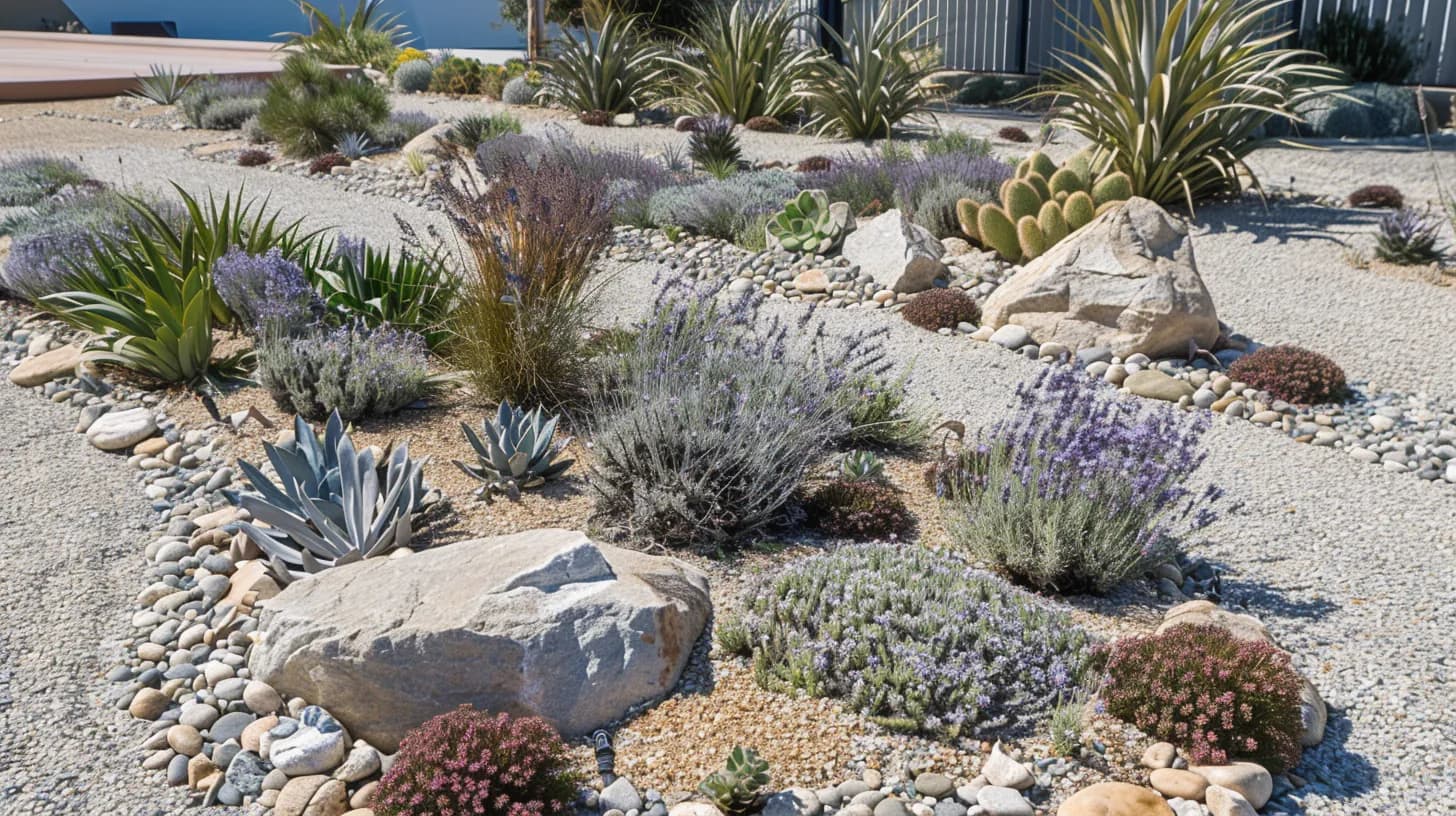
Creating a water-wise garden doesn't mean sacrificing beauty. With the right plant selection and design principles, you can create a stunning landscape that requires minimal irrigation.
Understanding Your Climate
Start by understanding your local climate patterns. Note your average rainfall, dry periods, and extreme weather events. This knowledge helps you select plants that naturally thrive in your conditions rather than fighting against them.
Native Plant Advantages
Native plants are your best allies in water-wise gardening. They've evolved to thrive in your local conditions, requiring less water, fertilizer, and pest control. Research native plants through your local extension office or native plant societies.
Top Drought-Tolerant Perennials
- Lavender: Fragrant, attracts pollinators, and thrives in poor soil
- Sedum varieties: Succulent groundcovers with interesting textures
- Russian Sage: Silver foliage with purple flowers, very drought tolerant
- Ornamental grasses: Provide movement and year-round interest
- Black-eyed Susan: Bright yellow flowers, self-seeding annual
Design Principles
Group plants by water needs (hydrozoning) to make irrigation more efficient. Place thirsty plants near water sources and drought-tolerant plants in areas that naturally receive less water. Use mulch extensively to retain soil moisture and suppress weeds.
Soil Improvements
Improve your soil's water-holding capacity by adding compost, even for drought-tolerant plants. Better soil structure means plants can access water more efficiently when it's available.
Efficient Watering Techniques
When you do water, water deeply but less frequently. This encourages deep root growth, making plants more drought-resistant. Install drip irrigation or soaker hoses to deliver water directly to root zones with minimal evaporation.
Mulching Magic
Apply 2-3 inches of organic mulch around plants, keeping it away from plant stems. Mulch reduces evaporation by up to 70%, moderates soil temperature, and adds organic matter as it decomposes.
A water-wise garden is an investment in both environmental sustainability and reduced maintenance. Once established, these gardens require minimal care while providing maximum beauty.