
Companion Planting: Nature's Pest Control
Harness the power of plant partnerships to naturally deter pests, improve soil health, and increase yields in your vegetable garden.
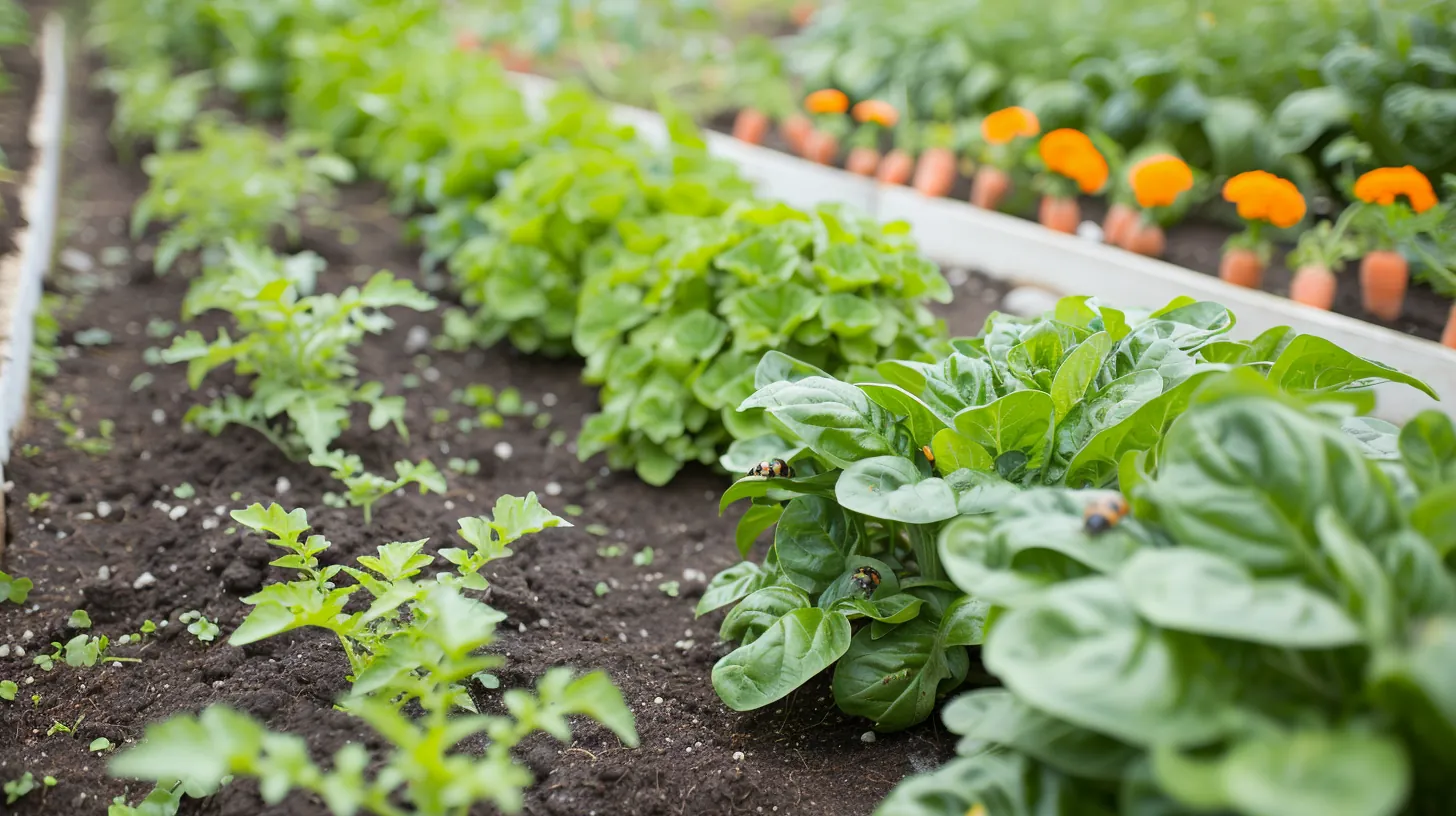
Companion planting is an ancient practice that uses the natural relationships between plants to create a more productive and pest-resistant garden. By understanding these partnerships, you can reduce your reliance on chemical interventions.
The Science Behind Companion Planting
Plants communicate through root exudates, airborne chemicals, and shared soil microorganisms. Some plants repel specific pests, while others attract beneficial insects or improve soil nutrition for their neighbors.
Classic Companion Combinations
Tomatoes and Basil This classic pairing isn't just for cooking. Basil repels aphids, spider mites, and hornworms while potentially improving tomato flavor. Plant basil around the base of tomato plants.
Three Sisters: Corn, Beans, and Squash This Native American technique maximizes space and nutrition. Corn provides support for climbing beans, beans fix nitrogen for corn and squash, and squash leaves shade the soil to retain moisture and suppress weeds.
Marigolds and Everything French marigolds release compounds that repel nematodes, aphids, and whiteflies. Plant them throughout your vegetable garden, especially near tomatoes, peppers, and cucumbers.
Carrots and Chives Chives improve carrot flavor and repel carrot flies. The strong scent of alliums (onions, garlic, chives) masks the smell that attracts many pests.
Plants That Don't Play Well Together
Some plants are allelopathic, meaning they release chemicals that inhibit other plants' growth:
- Black walnut trees inhibit tomatoes, peppers, and potatoes
- Fennel inhibits most vegetables
- Sunflowers can inhibit bean and potato growth
Beneficial Insect Hotels
Create habitat for beneficial insects by including:
- Yarrow: Attracts ladybugs and parasitic wasps
- Dill: Attracts beneficial wasps when allowed to flower
- Sweet alyssum: Attracts hoverflies that eat aphids
- Cosmos: Attracts lacewings and parasitic wasps
Trap Cropping
Use trap crops to lure pests away from main crops. Plant nasturtiums to attract aphids away from vegetables, or use radishes to lure flea beetles away from eggplants.
Succession Planting Integration
Integrate companion planting with succession planting. As early crops finish, replace them with companions for remaining plants. For example, plant lettuce under tomatoes as they mature – the tomatoes provide afternoon shade for heat-sensitive lettuce.
Planning Your Companion Garden
Start small and observe what works in your specific conditions. Keep detailed records of plant combinations and their success rates. What works in one climate or soil type may not work in another.
Remember, companion planting is just one tool in sustainable gardening. Combine it with proper soil management, crop rotation, and integrated pest management for best results.